 VerIQ - AI Plant Identifier
☀️
Light
Bright, indirect light
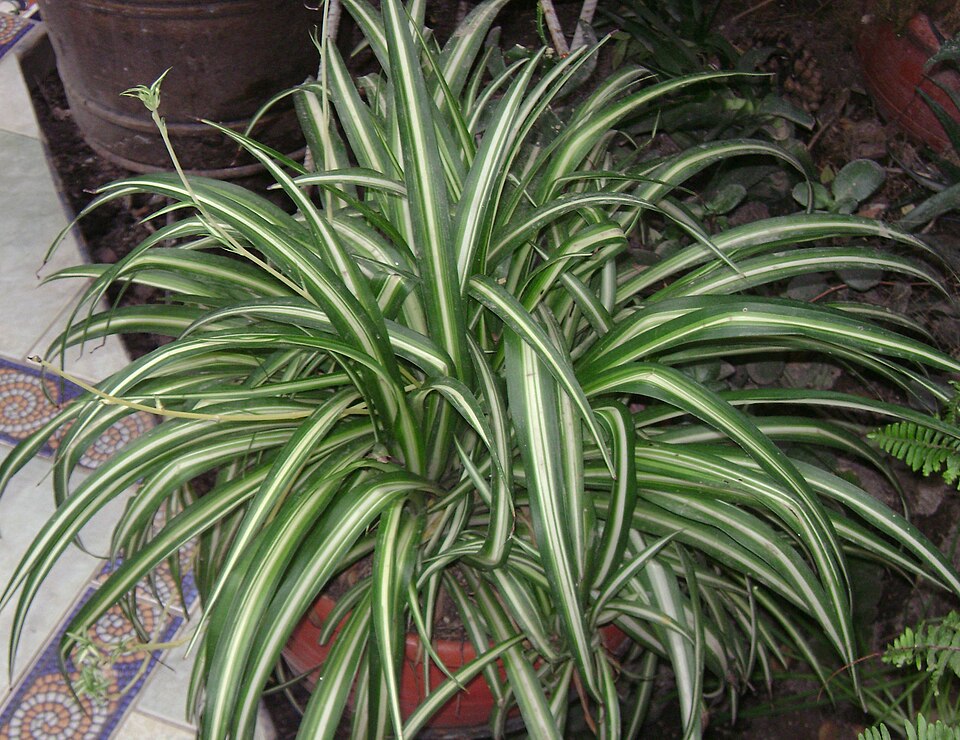
Chlorophytum comosum — part of VerIQ's plant care guide library. Not sure what's going on with yours? Scan it in the VerIQ app for an instant, plant-specific diagnosis.
Bright, indirect light
Weekly, keeping soil lightly moist
Tolerates average humidity
Non-toxic to cats and dogs
Symptoms: Crispy brown tips on many leaves.
Likely cause: Fluoride or chlorine in tap water, low humidity, or fertilizer salt buildup.
What to do: Water with filtered or distilled water, trim the brown tips, and flush the soil periodically.
Symptoms: Leaves lose their green-and-white variegation and look faded.
Likely cause: Too much direct sun.
What to do: Move to bright but indirect light.
Symptoms: Fine webbing and stippled, speckled leaves.
Likely cause: Dry indoor air.
What to do: Rinse leaves, raise humidity, and treat with insecticidal soap if the infestation persists.
No, it's considered non-toxic, though eating a large amount can cause mild digestive upset, and some cats get a mild stimulant reaction to it.
Most often tap-water chemicals or fertilizer salt buildup — try filtered water and occasional deep watering to flush the soil.
Mature spider plants send out runners with baby plantlets that can be rooted in water or soil to grow new plants.
Bright, indirect light for the best variegation; it tolerates lower light but the colors fade.