 VerIQ - AI Plant Identifier
☀️
Light
Low to bright indirect light, tolerates neglect
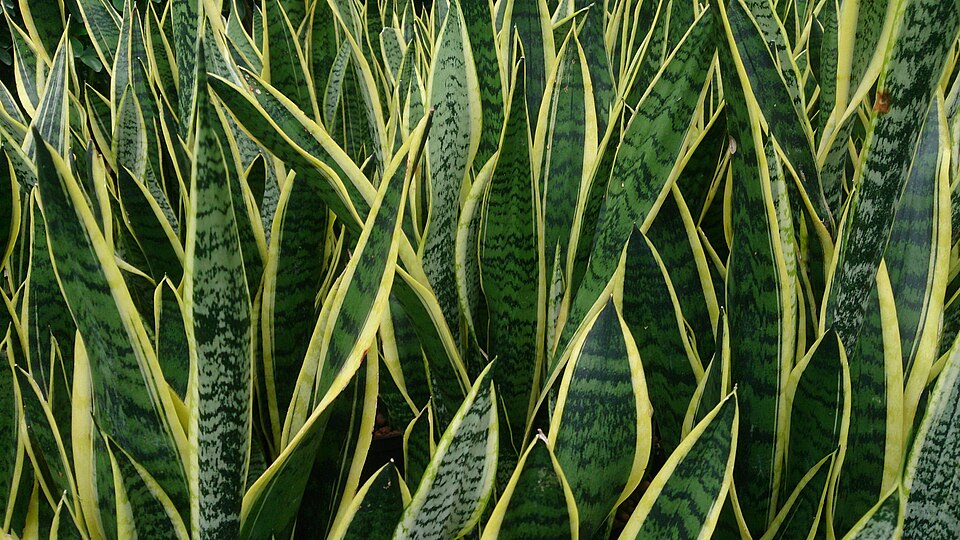
Dracaena trifasciata (formerly Sansevieria) — part of VerIQ's plant care guide library. Not sure what's going on with yours? Scan it in the VerIQ app for an instant, plant-specific diagnosis.
Low to bright indirect light, tolerates neglect
Every 3–4 weeks, letting soil dry out fully
Tolerates dry air
Mildly toxic to cats and dogs
Symptoms: A mushy, discolored leaf base, and leaves collapsing or turning yellow/brown.
Likely cause: Overwatering — by far the most common cause of snake plant death.
What to do: Remove affected leaves, let the soil dry completely, repot in a fast-draining succulent mix, and water far less often.
Symptoms: Leaves look thin, wrinkled, or curl inward.
Likely cause: Underwatering for an extended period, or root damage from prior overwatering.
What to do: Water thoroughly and check that the roots are still healthy; thirst-related wrinkling resolves within a week or two of normal watering.
Symptoms: Small cottony spots or brown bumps on leaves.
Likely cause: Introduced from another plant.
What to do: Wipe off with an alcohol-soaked cotton swab, and treat with insecticidal soap if it's widespread.
Yes, mildly — it can cause drooling, vomiting, or nausea if chewed, though serious poisoning is rare.
Almost always overwatering; snake plants need to dry out completely between waterings.
About once every 3–4 weeks — when in doubt, err on the side of underwatering.
Yes, it's one of the most low-light-tolerant houseplants, though it grows faster in bright indirect light.