 VerIQ - AI Plant Identifier
☀️
Light
Low to medium indirect light
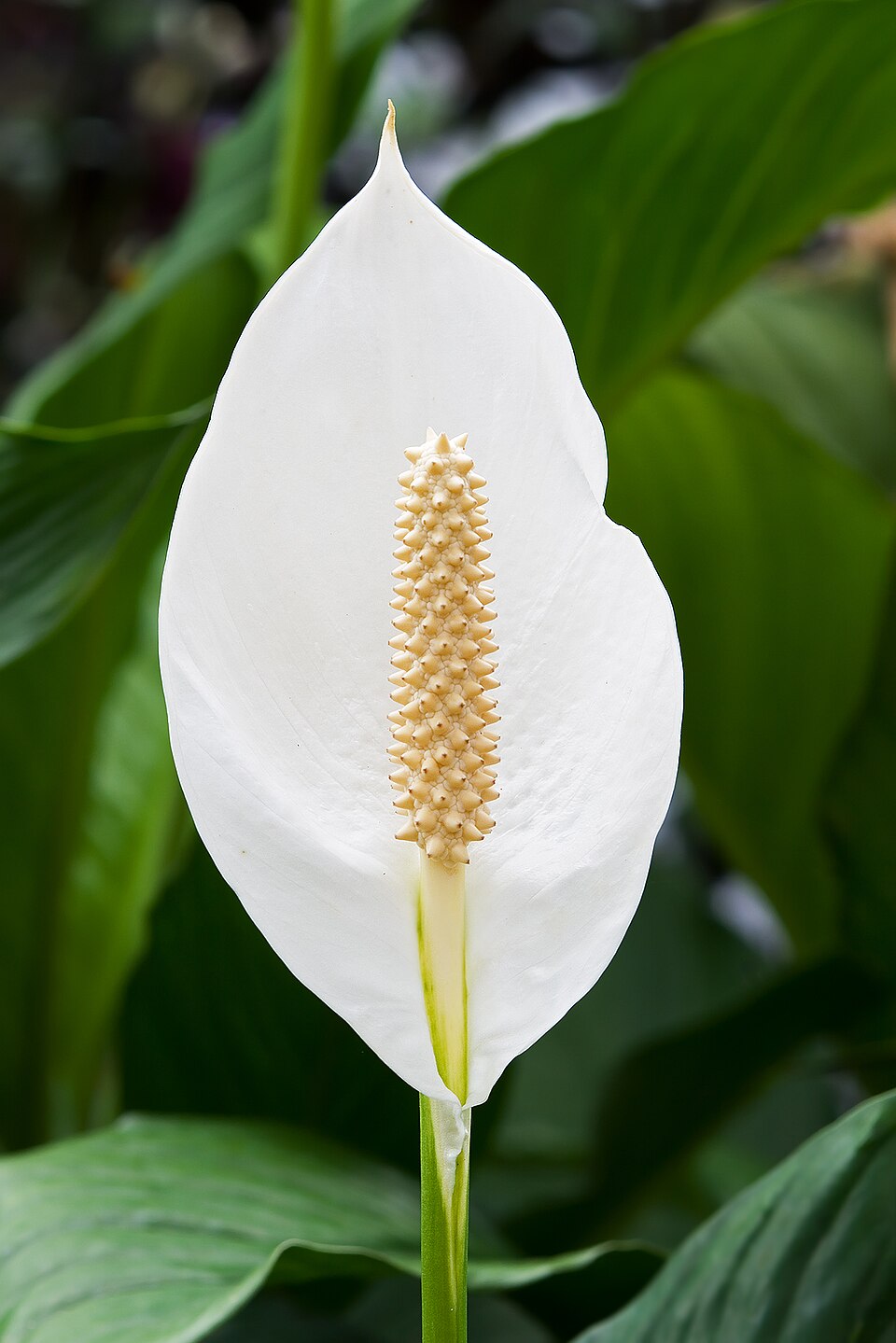
Spathiphyllum spp. — part of VerIQ's plant care guide library. Not sure what's going on with yours? Scan it in the VerIQ app for an instant, plant-specific diagnosis.
Low to medium indirect light
Weekly, keeping soil lightly moist
Prefers high humidity
Toxic to cats and dogs
Symptoms: The whole plant wilts and droops noticeably.
Likely cause: Usually underwatering — peace lilies droop clearly when thirsty.
What to do: Water thoroughly; it typically perks back up within hours. Persistent drooping despite moist soil can instead mean root rot.
Symptoms: Crispy brown tips or edges.
Likely cause: Tap water chemicals, low humidity, or fertilizer salt buildup.
What to do: Use filtered or distilled water, raise humidity, and flush the soil occasionally to clear salts.
Symptoms: Healthy green growth but no white blooms.
Likely cause: Not enough light.
What to do: Move to a brighter spot with indirect light — peace lilies flower poorly in low light.
Yes, it contains calcium oxalate crystals that irritate the mouth and digestive tract if chewed.
Almost always thirst — it wilts noticeably when it needs water and recovers quickly afterward.
It likely needs more indirect light; low-light spots keep it green but rarely produce flowers.
About once a week, keeping the soil lightly moist but never soggy.