 VerIQ - AI Plant Identifier
☀️
Light
Bright, indirect light
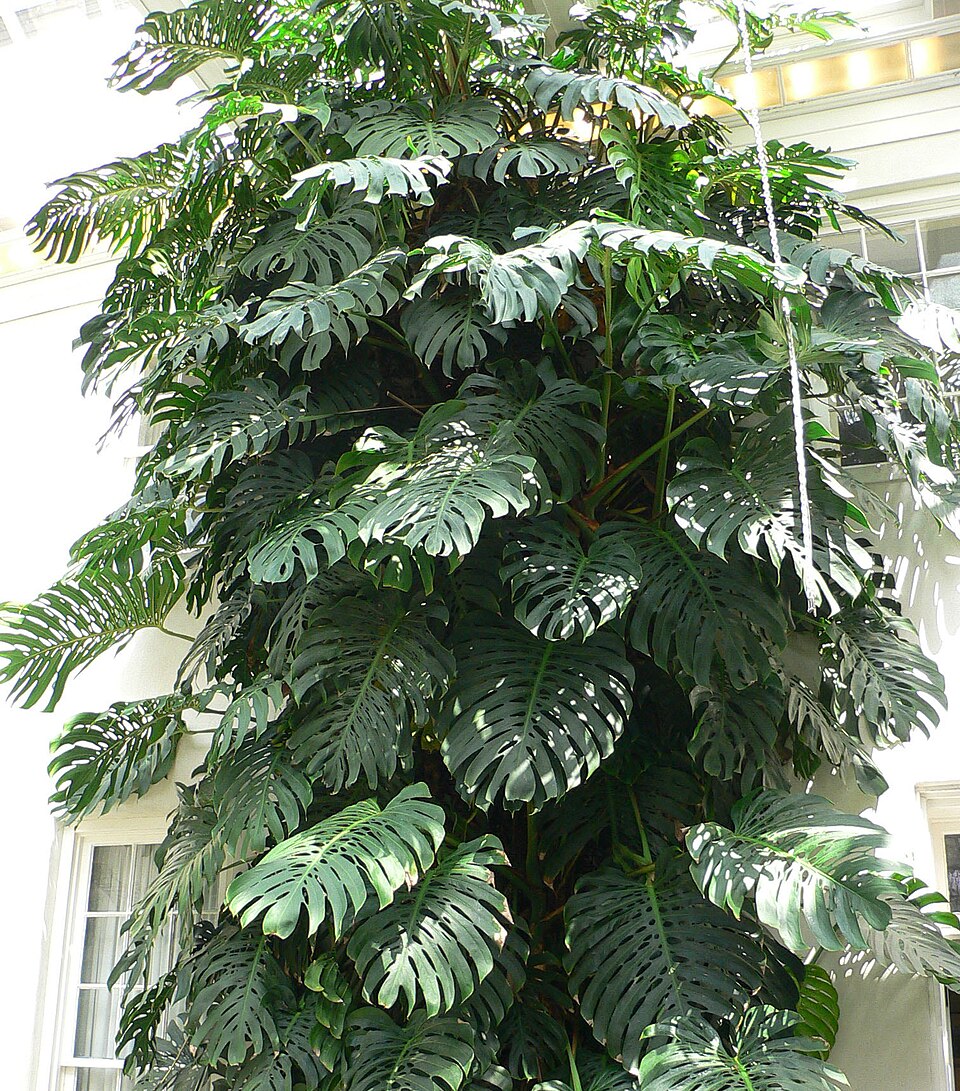
Monstera deliciosa — part of VerIQ's plant care guide library. Not sure what's going on with yours? Scan it in the VerIQ app for an instant, plant-specific diagnosis.
Bright, indirect light
Every 1–2 weeks, when the top 2–3 in of soil is dry
Average to high (40–60%)
Toxic to cats and dogs
Symptoms: Yellowing lower leaves, a mushy dark stem base, and soil that smells sour.
Likely cause: Overwatering, or a pot without drainage.
What to do: Unpot the plant, trim away black or mushy roots, repot in fresh well-draining mix, and water only once the topsoil dries out.
Symptoms: Fine webbing under leaves, pale speckled stippling, and leaves that look dusty.
Likely cause: Dry indoor air, especially in winter.
What to do: Rinse the leaves under water, raise humidity, and treat with insecticidal soap or neem oil weekly for 2–3 weeks.
Symptoms: New leaves grow solid, without the classic splits.
Likely cause: Not enough light, or the plant is still young.
What to do: Move to brighter indirect light — splitting usually begins once the plant matures and leaves widen.
Yes — it contains insoluble calcium oxalates that irritate the mouth and stomach, so keep it out of reach of pets.
The most common cause is overwatering leading to root stress, though older lower leaves also yellow naturally as the plant grows.
Roughly every 1–2 weeks, whenever the top 2–3 inches of soil have dried out — adjust for light, pot size, and season.
Fenestration develops with maturity and bright light; a young or low-light plant will keep producing solid, unsplit leaves.