 VerIQ - AI Plant Identifier
☀️
Light
Low to bright indirect light
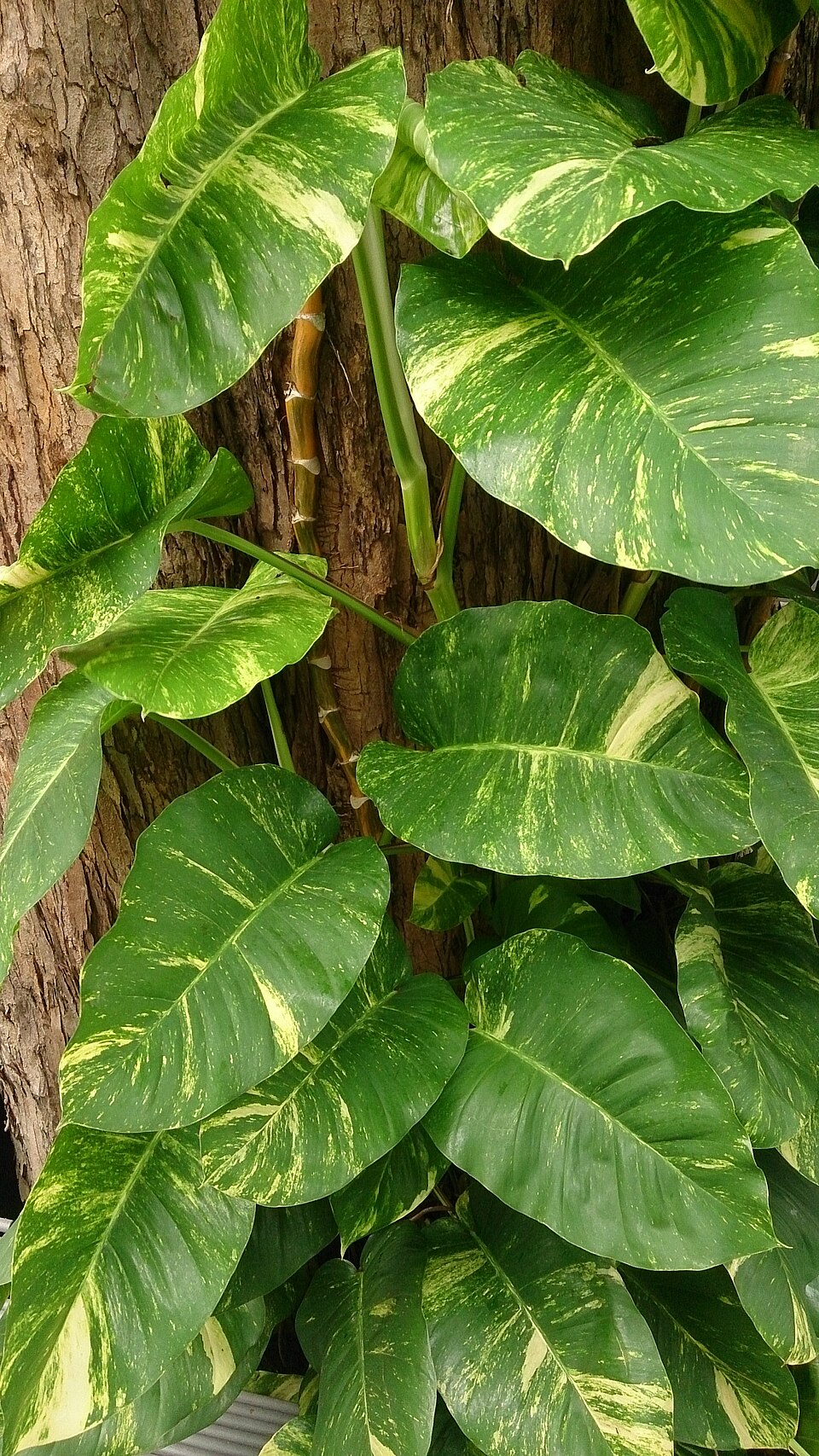
Epipremnum aureum — part of VerIQ's plant care guide library. Not sure what's going on with yours? Scan it in the VerIQ app for an instant, plant-specific diagnosis.
Low to bright indirect light
Every 1–2 weeks, when the soil is dry
Tolerates average home humidity
Toxic to cats and dogs
Symptoms: Yellow, mushy leaves and a soft, black stem base.
Likely cause: Overwatering, or standing water in a cachepot.
What to do: Trim rotten roots, repot in fresh well-draining soil, and water less often.
Symptoms: Small cottony white clusters at leaf joints and on leaf undersides.
Likely cause: Introduced from another infested plant; thrives in dry indoor air.
What to do: Dab affected spots with a rubbing-alcohol-soaked cotton swab, then treat with insecticidal soap weekly until they're gone.
Symptoms: Long bare stretches of vine with few leaves.
Likely cause: Not enough light.
What to do: Move closer to a bright window and pinch or prune vines to encourage fuller, bushier growth.
Yes, it contains calcium oxalate crystals that can irritate the mouth, tongue, and stomach if chewed.
Usually overwatering; occasional yellowing of a single old leaf is normal, but several yellow leaves at once points to soggy soil.
Pinch back leggy vines just above a leaf node and give it brighter, indirect light.
Yes, cuttings root easily in water and can live in it long-term with occasional water changes.